
Aug 4, 2026Technical Guides
How to Choose the Right UAV Fiber Optic Spool
Learn how to choose the right UAV fiber optic spool by comparing fiber type, communication distance, spool size, and system compatibility.
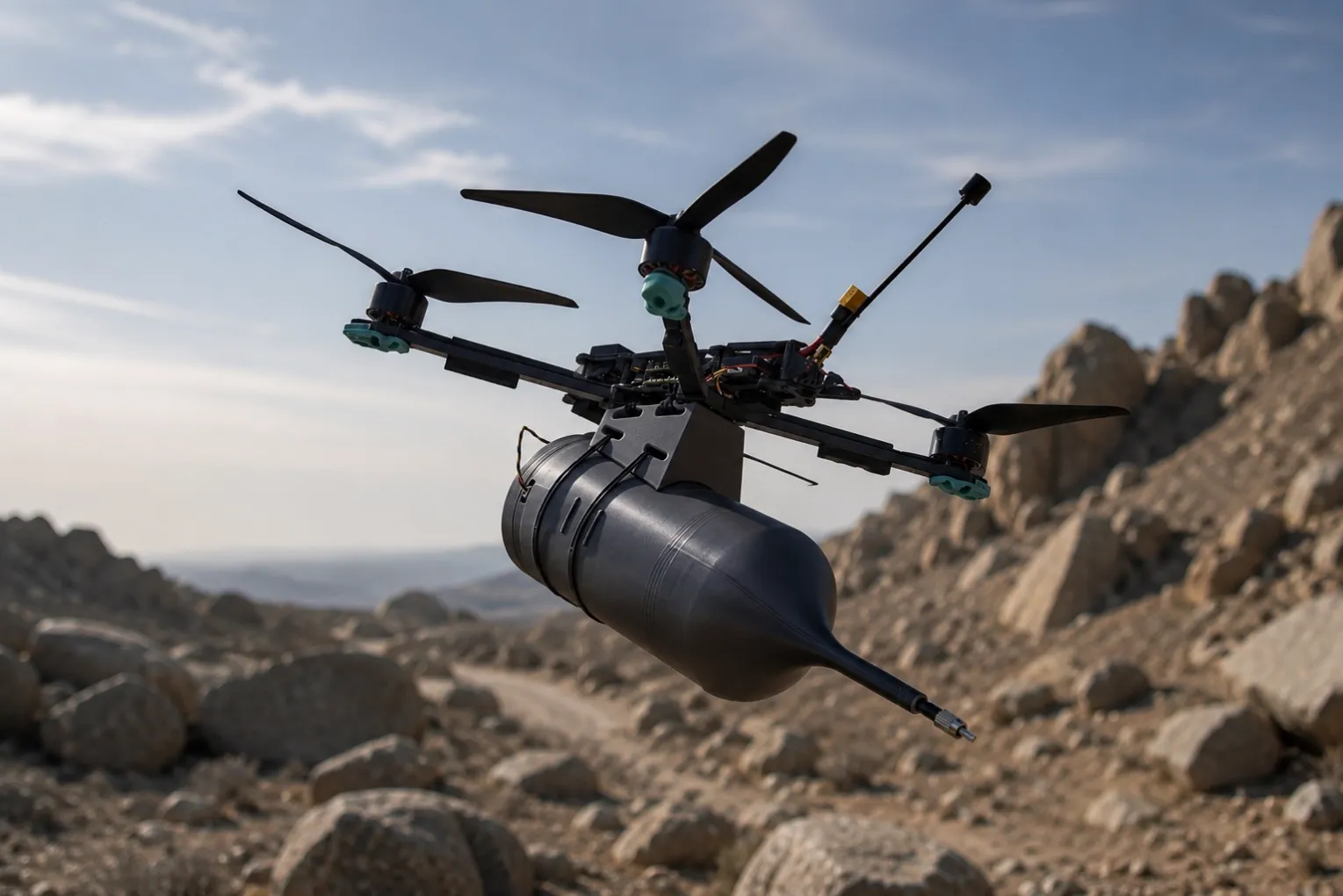
Selecting the right UAV fiber optic spool is an important step in building a reliable communication system. Different missions require different spool sizes, fiber lengths, and performance characteristics.
Whether you are integrating a new UAV platform or upgrading an existing communication system, understanding the key selection factors can help improve operational reliability and overall system performance.
1. Determine the Required Communication Distance
The first consideration is the required transmission distance.
Typical UAV fiber optic spool options include:
Mission Type | Recommended Fiber Length |
|---|---|
Short-range testing | 1–5 km |
Industrial inspection | 5–20 km |
Long-range inspection | 20–50 km |
Specialized operations | 50–100 km |
Selecting excessive fiber length may increase spool size and weight unnecessarily, while insufficient length may limit mission capability.
2. Choose the Right Fiber Type
Fiber quality has a direct impact on communication reliability.
For compact UAV spool systems, G.657.A2 bend-insensitive single-mode fiber is widely used because it offers:
- Excellent bend resistance
- Low bending loss
- Stable optical transmission
- Long service life
- Compatibility with standard single-mode systems
Its mechanical durability makes it particularly suitable for repeated winding and unwinding during UAV operations.
3. Consider Weight and Size
Every UAV platform has payload limitations.
A fiber optic spool should provide sufficient communication distance while remaining compatible with the aircraft's payload capacity.
Key considerations include:
- Total spool weight
- Fiber diameter
- Housing dimensions
- Mounting compatibility
Proper weight management helps maintain flight efficiency and endurance.
4. Evaluate Deployment Performance
A high-quality fiber optic spool should deploy smoothly throughout the mission.
Important features include:
- Stable fiber release
- Consistent winding performance
- Reduced risk of fiber tangling
- Reliable operation under varying flight conditions
Smooth deployment contributes to stable communication and helps protect the optical fiber.
5. Verify System Compatibility
Before selecting a spool, confirm compatibility with the complete UAV communication system.
Consider:
- Optical connector type
- Communication equipment
- Power requirements
- Installation method
- Ground station configuration
System compatibility can simplify integration and reduce installation time.
6. Consider the Operating Environment
Environmental conditions can significantly influence system performance.
Typical factors include:
- Temperature variations
- Dust and moisture
- Mechanical vibration
- Terrain complexity
- Electromagnetic conditions
Selecting a spool designed for the intended operating environment can improve long-term reliability.
TECHMAX Insight
A UAV fiber optic spool is more than just a fiber reel—it is a key component of the overall communication system.
At TECHMAX, our Anti-Jamming Fiber Optic Spools are designed for communication distances from 1 km to 100 km, using high-quality bend-insensitive optical fiber to support stable communication in demanding UAV applications.
Frequently Asked Questions
What fiber length should I choose?
The appropriate fiber length depends on the mission profile. Selecting a spool that matches operational requirements helps optimize both communication capability and payload efficiency.
Why is G.657.A2 fiber recommended?
G.657.A2 offers excellent bend resistance, making it well suited for compact spool systems where the fiber is repeatedly deployed and rewound.
Does a larger spool always mean better performance?
Not necessarily. The best spool is the one that balances communication distance, weight, integration, and mission requirements.
Can one spool be used on different UAV platforms?
In many cases, yes. Compatibility depends on mounting requirements, communication equipment, and payload capacity.
Conclusion
Choosing the right UAV fiber optic spool requires evaluating communication distance, fiber type, weight, deployment performance, and system compatibility.
By selecting a solution that matches operational requirements, UAV operators can improve communication reliability while supporting efficient mission execution.
References
ITU – International Telecommunication Union (ITU-T G.657)
Characteristics of a bending-loss insensitive single-mode optical fibre and cable
https://www.itu.int/rec/T-REC-G.657
Corning Optical Communications
Bend-Insensitive Fiber Technology
https://www.corning.com/optical-communications/worldwide/en/home.html