
Jun 29, 2026Industry Insights
Why Fiber Optic Tether Systems Become Standard for Industrial UAVs
See why G657A2 thin fiber tether systems are becoming standard UAV fiber component choices for stable industrial and military drone optical module links.
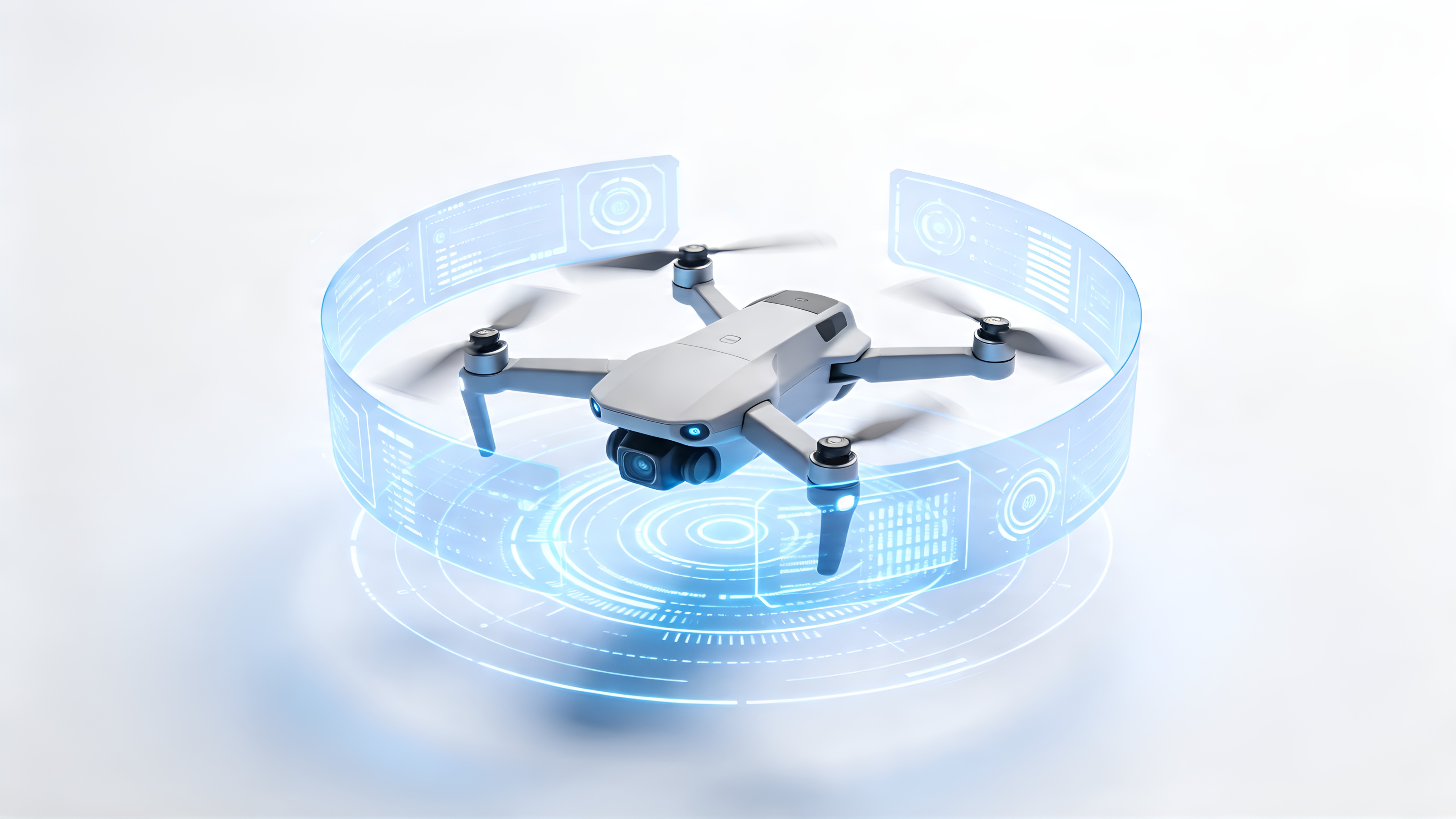
Why Fiber Optic Tether Systems Become the Standard for Modern Industrial UAV Operations
Wireless drone technology has dominated conventional aerial operations for years, yet it faces inherent unavoidable flaws in professional industrial scenarios. Limited battery endurance, frequent signal interference, unstable long-distance video transmission, and sudden link disconnections have all become major obstacles restricting the efficiency and safety of long-duration industrial UAV missions.
As global industrial inspection, infrastructure monitoring, border patrol, and public safety aerial tasks keep upgrading their requirements for stability and continuity, traditional wireless drones can no longer meet the strict operation standards of 24-hour uninterrupted fixed-point hovering, ultra-long-distance high-precision detection, and all-weather complex environment execution.
This is exactly why fiber optic tether UAV systems have rapidly become the industry-standard core configuration for modern professional industrial drone operations.
Different from air-broadcast wireless signals, fiber optic tether systems adopt dedicated physical optical signal channels, which completely avoid electromagnetic interference from power grids, factory equipment, mountain terrain, and building shielding. It achieves ultra-low-latency, zero-packet-loss high-bandwidth transmission, and maintains smooth 4K high-definition real-time image transmission even in extreme complex working environments.
Meanwhile, the integrated wired power supply design thoroughly solves the biggest pain point of wireless drones: short battery life. Tethered optical fiber equipment realizes unlimited continuous airborne operation, allowing drones to stay hovering and working for days on end without frequent landing for battery replacement. It greatly improves field operation efficiency, reduces repeated deployment costs, and ensures the continuity of long-cycle monitoring tasks.
Industrial-grade fiber tether systems also boast outstanding environmental adaptability and lightweight anti-tangle structure. Made of high-strength wear-resistant optical fiber material, it adapts to high-speed drone flight up to 180km/h, supports full-distance coverage from 1KM to 60KM, and works steadily stably in extreme temperature ranges from -20°C to 60°C. The plug-and-play modular design matches almost all mainstream multi-rotor industrial UAVs, without complicated modification or professional debugging, realizing rapid on-site deployment in minutes.
Whether it is power pipeline long-distance inspection, coastal area all-day patrol, construction site aerial supervision, wild area emergency aerial monitoring, or government public safety fixed-point duty missions, fiber optic tether systems can provide stable, reliable, and long-endurance aerial operation support.
Independent of public 4G/5G network signals, not restricted by public communication bandwidth, fiber optic tether technology fully matches the high-security, high-stability, high-precision operation demands of industrial-level drone scenarios. It has become an irreplaceable core configuration for professional modern industrial UAV aerial tasks, and the mainstream development direction of the global industrial drone industry.